Kitchen & Utility

Small Machines, Clear Jobs

Countertop space is finite. A small appliance earns its footprint by doing one physical job quickly, cleaning up in under a minute, and avoiding capacitive touchscreens that ignore wet hands.

COMPARE EVERYDAY USES
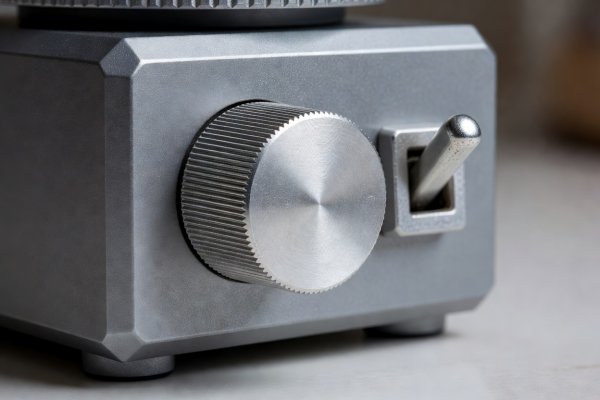
Close-up of a knurled aluminum control dial and physical toggle switch on a compact countertop appliance
Countertop Audit

Why Wi-Fi inside heating appliances rarely helps

Manufacturers love adding Bluetooth or Wi-Fi radios to kettles, toaster ovens, and coffee grinders so they can advertise app presets. In daily practice, you still have to walk to the sink to fill the kettle with fresh water, place bread in the toaster, or empty the grounds bin. Because safety regulations rightly forbid unattended remote ignition of exposed heating elements, most "smart" ovens still require you to press a physical "Enable Remote Start" button on the machine every single time you close the door.

Instead of paying for an app that will stop receiving updates in three years—long before a stainless steel heating coil wears out—look for precision electronic thermostats paired with physical rotary encoders, silent solid-state relays, and standard replacement parts.

Control Interface TestOperable with wet or flour-dusted fingers
Acoustic AlertMuteable beeper (no mandatory 85 dB piercing chimes)
Consumable PolicyZero RFID/NFC locks on air or water filters
ServiceabilityStandard Torx/Phillips screws; replaceable silicone seals

Comparing everyday compact appliances

Appliance Category Useful Capability Gimmick to Skip Maintenance & Consumables Typical Power / Footprint
Variable-Temp Electric Kettle PID temperature hold (70°C, 80°C, 90°C, 100°C) with physical rotary dial Cloud recipe apps and RGB base rings Citric acid descale every 6 weeks; all-steel interior (no plastic steam vent) 1200W–1500W / 20 × 21 cm base
Compact HEPA Air Purifier Physical 3-speed switch + hard power rocker (works with external smart plug) RFID-chipped filters that disable the fan after 180 days; uncalibrated PM2.5 LEDs Vacuum pre-filter screen monthly; generic H13 filter every 9–12 months 6W (Low) to 38W (High) / 24 cm diameter
Evaporative / Easy-Clean Humidifier Top-fill stainless or dishwasher-safe basin with mechanical float switch Ultrasonic cool-mist units without demineralization (coats furniture in white dust) Rinse tray every 3 days; replaceable wick pad or boil-clean disk 12W–25W (Evaporative fan) / 22 × 28 cm
Single-Burner Portable Induction Hob 100°F–450°F probe or surface temperature steps + physical timer knob Touch-slider bars that turn off when a pot boils over onto the glass Wipe flat ceramic glass in 10 seconds; clean bottom intake fan mesh quarterly 1800W peak / 28 × 35 × 6 cm (stores in drawer)
Air & Moisture

The dumb rocker switch advantage on purifiers and fans

When shopping for an air purifier, bedroom fan, or small basement dehumidifier, test what happens when you unplug the cord while it is running and plug it back in. If the machine resumes running at its previous speed (either via a physical rocker switch or auto-restart memory), you can automate it with any local energy-monitoring plug. If it defaults to standby waiting for a soft-touch button press, you are locked into whatever software the manufacturer built—or didn't build.

Verified Auto-RestartWinix 5500-2, Coway Mighty (mechanical toggle models)
Nighttime LED CheckDedicated physical light-off button on top panel
Floor Care

Robot vacuums: local LiDAR vs. cloud camera mapping

A robot vacuum saves genuine weekly effort, provided you do not have to rescue it from shoelaces every Tuesday. Models using a top-mounted spinning LiDAR turret map rooms accurately in the dark without needing an RGB camera streaming floor-level video of your bedrooms to a remote server. Also inspect the dustbin design: bagless cyclones or standard third-party dust bags save $60 a year over chipped proprietary docks.

Navigation PreferenceTurret LiDAR + physical bumper (no cloud video stream)
Wear PartsTool-free brush roller release for hair removal

Setup and maintenance notes for small appliances

Why capacitive touch buttons fail near steam and wet hands
Capacitive touch sensors detect changes in electrical capacitance from your skin. When steam condenses on a kettle base, rice cooker lid, or induction hob—or when your fingers are wet from rinsing vegetables—the entire touch strip either stops responding or triggers random button presses. Raised mechanical buttons, sealed membrane dome switches, or knurled rotary knobs remain reliable for a decade.
How to spot proprietary consumable lock-in before buying
Before buying any air purifier, water pitcher, coffee machine, or auto-empty vacuum dock, search for replacement filters or descaling cartridges from at least two independent suppliers. If the consumable uses a metallic sticker, barcode, or NFC chip to verify authenticity, the manufacturer can raise filter prices or discontinue the model at will.